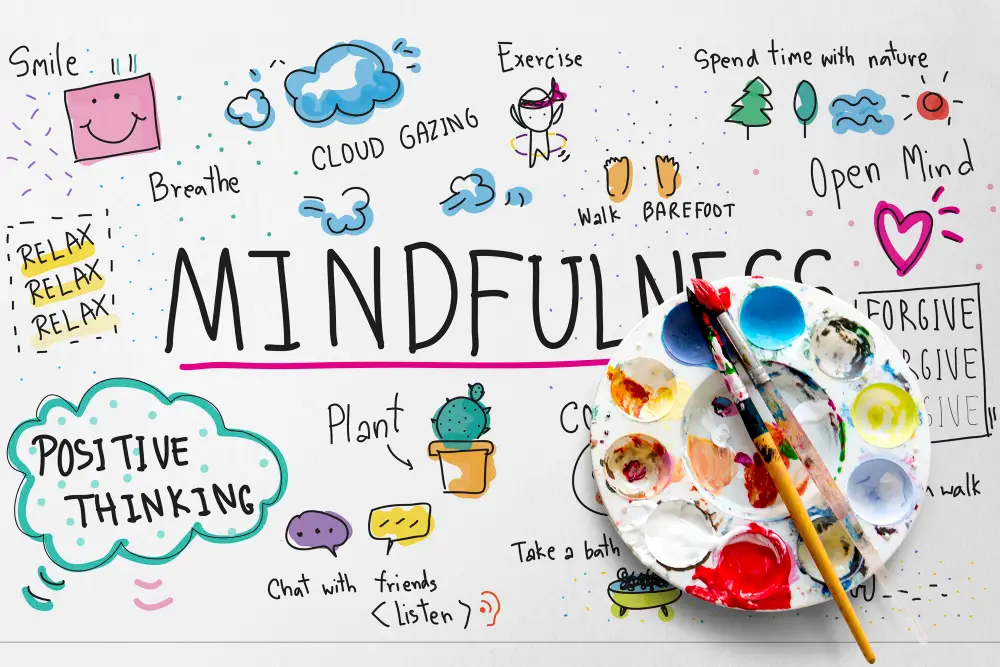
A Complete Guide to Cultivating Inner Peace, Clarity, and Mental Well-Being
Meditation & Mindfulness are powerful practices that help you connect deeply with yourself, calm your mind, and enhance everyday focus. Whether you’re just beginning or looking to advance your practice, this guide offers practical techniques, science-backed insights, and daily routines to improve your emotional and mental well-being.
🧘 Guided Meditation & Breathing Techniques
Meditation for Beginners – Start with Confidence
New to meditation? Here’s how to make the process simple and enjoyable:
- Learn easy 5-minute meditation practices
- Choose comfortable sitting positions to prevent tension
- Understand how to observe thoughts without reacting to them
- Build a consistent routine you can maintain long-term
Starting small is the key—just a few minutes a day can create lasting change.
Advanced Meditation Practices – Deepen Your Awareness
For experienced practitioners, explore techniques that help you:
- Strengthen concentration and mental stillness
- Develop a deeper sense of consciousness
- Work through distractions with mindful control
- Expand awareness beyond basic breathing exercises
These practices help you cultivate presence and clarity throughout your daily life.
Breathing Techniques to Increase Energy
For more energy-focused breathwork, explore our full guide here:
👉 Breathing Techniques to Increase Body Energy
Breathing Techniques for Relaxation & Energy
Your breath is one of the most effective tools for calming the nervous system. Try:
- Box Breathing to quickly reduce stress
- 4-7-8 Breathing for deep relaxation
- Energy-boosting breathing exercises to elevate focus and vitality
Breathing mindfully can shift your entire state in less than a minute.
Daily Habits to Boost Body Energy
Discover simple daily routines that naturally increase your energy levels:
👉 Daily Habits to Boost Body Energy
🌿 Stress & Anxiety Relief
Mindfulness for Daily Life – Stay Present in Every Moment
Mindfulness is the art of paying attention to what’s happening now. Practice it while:
- Walking
- Eating
- Working or studying
- Talking with others
This simple shift helps reduce stress and improves emotional balance.
For more practical exercises, explore:
👉 Stress Relief Tips & Mindfulness Exercises
Energy-Boosting Routines for Mental Clarity
Boost your focus and mental performance with energy-focused wellness techniques:
👉 https://bodyzen.online/boost-energy-naturally/
Science-Backed Stress Reduction
Research shows that regular mindfulness practice can:
- Lower cortisol (the stress hormone)
- Improve emotional regulation
- Enhance memory and focus
- Support better overall mental health
According to Harvard Health Publishing, mindfulness reduces stress, improves focus, and enhances emotional resilience.
Mindfulness trains your brain to respond calmly instead of reacting impulsively.
Daily Relaxation Routines
Integrate calming habits into your routine to reduce anxiety:
- Gentle stretching or light movement
- Short mindfulness check-ins
- Gratitude journaling
- Progressive muscle relaxation
Pairing these with meditation creates a powerful wellness routine.
For a complete daily wellness guide, see:
👉 https://bodyzen.online/daily-wellness/ (If this page exists)
😴 Sleep & Recovery
Meditation for Better Sleep
Wind down your mind before bedtime with:
- Slow, rhythmic breathing
- Body scan meditation
- Guided relaxing visualizations
- Evening reflection practices
These help quiet mental noise and prepare the body for restful sleep.
Yoga Nidra – Deep Rest for Body & Mind
Often called “yogic sleep,” Yoga Nidra offers:
- Deep physical relaxation
- Mental restoration
- Reduced nighttime stress
- Improved sleep quality
Just one session can feel as restorative as several hours of sleep.
Nighttime Wind-Down Practices
A calming evening routine may include:
- Reducing screen time at night
- Soft breathing exercises
- Warm herbal drinks
- Gentle stretching
This prepares both mind and body for deeper, uninterrupted rest.
✅ FAQ
Q1: What is the difference between meditation and mindfulness?
A: Meditation is a structured practice where you intentionally focus your attention—often on your breath, body, or a guided voice. Mindfulness is the ongoing ability to stay present and aware in everyday activities. Meditation strengthens mindfulness, and mindfulness supports your meditation practice.
Q2: How long should I meditate each day to see results?
A: Most beginners notice benefits with just 5–10 minutes per day. Consistency is more important than duration. Over time, you can gradually increase to 15–20 minutes for deeper results.
Q3: Can meditation help reduce stress and anxiety?
A: Yes. Research shows meditation and mindfulness can lower stress hormones, calm the nervous system, and help the mind respond more peacefully to challenging situations.
Q4: What type of meditation is best for beginners?
A: Guided meditation and simple breath-focused meditation are ideal for beginners. They require no experience and help you learn how to stay centered without feeling overwhelmed.
Q5: How does breathing affect mindfulness and relaxation?
A: Controlled breathing activates the parasympathetic nervous system—the body’s calming response. Techniques like Box Breathing or 4-7-8 breathing can reduce stress, improve focus, and support emotional balance.
Q6: Can meditation improve sleep quality?
A: Absolutely. Meditation helps quiet racing thoughts, relax your muscles, and guide your mind into a calmer state, which makes falling asleep easier and improves sleep depth.
Q7: What is Yoga Nidra, and how does it help?
A: Yoga Nidra is a guided deep relaxation practice often called “yogic sleep.” It promotes physical rest, mental clarity, and emotional release, making it especially helpful for people who struggle with stress or insomnia.
Q8: Do I need any equipment or apps to start meditating?
A: No equipment is required. A quiet space and a comfortable position are enough. Apps and guided videos can help, but they are optional.
💡 Final Thought
Meditation isn’t about stopping your thoughts—it’s about observing them with kindness and without judgment. When practiced consistently, even for a few minutes a day, it can transform your mental clarity, emotional stability, and overall well-being.